Enrollment closes October 6. Program begins October 7.
Days
Hours
Minutes
Seconds
SSRI Deprescribing & Psychedelic Readiness — a practitioner certification for therapists, clinicians, coaches & facilitators working with medicated clients.
The first training of its kind in the psychedelic space
The Transition Nobody Owns: Supporting Clients From Antidepressants to Psychedelic Work
Twelve 90-minute live sessions with David Rabin, M.D., Ph.D., and Raghu Appasani, M.D., on running the transition end to end, from the readiness assessment through the taper to the support stack that keeps clients off. That’s 18 hours of direct mentorship from two world-class psychiatrists.
Payment plans starting as low as $104/month · Cohort 1 is capped
STARTS OCTOBER 7
3 MONTHS
7.5 CE CREDITS
STARTS OCTOBER 7
3 MONTHS
7.5 CE CREDITS
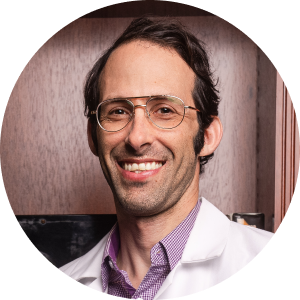
6 live sessions with
David Rabin, M.D., Ph.D.
David Rabin, M.D., Ph.D.

6 facilitated labs with Raghu Appasani, M.D.

Bonus sessions with guest experts: Robin Carhart-Harris, Ph.D., bestselling author Robert Whitaker, and Josef Witt-Doerring, M.D.
Know exactly when a client is ready. And also when it’s not quite time, using a clinical-grade assessment you can apply upon completion.
Learn the sequenced protocol directly from David Rabin, M.D., Ph.D., the psychiatrist who has spent 20 years deprescribing patients and researching what actually happens in the nervous system when they stop.
Stop referring these clients away. The people asking you this question are already in your practice. Right now, most practitioners have to send them somewhere else.
Format:
3-Month Live Online Training (6 live 90-minute classes + 6 facilitated labs + 3 Bonus Guest Sessions)
Instructors:
David Rabin,
M.D., Ph.D. and guest expert faculty
Outcome:
Clients transitioned safely, in-scope, with prescriber alignment
Accreditation:
Certificate in SSRI Deprescribing & Psychedelic Readiness, issued on completion. 7.5 CE credits for eligible licensed professionals
Integrated Tool:
Pre-publication access to Dr. Rabin’s clinical deprescribing material
Who This Training Is For
Therapists, clinicians, coaches, and practitioners already working with clients.
A client tells you they’ve been on an SSRI for six years. They don’t think it’s helping anymore and they’ve read about psychedelic therapy.
They’ve decided they want off their psychiatric medications and have asked you for support in doing so. Immediately, a thought of doubt and trepidation comes to mind:
"I'm the person they trust with their mental health. Am I actually equipped to guide it?"
68% of Americans taking antidepressants have been on them for 2+ years. Roughly 1 in 4, for 10+ years. For most of them, no one has ever revisited the decision of going on an SSRI. Their prescriber writes the refill without question, and nobody supports them in safely tapering off.
So they bring it to you, because you’re the one they talk to about how their life is actually going. Now, here’s the part that keeps competent practitioners up at night:
Helping clients taper off SSRIs is the one area where doing nothing and doing something both carry real risk.
Say “talk to your doctor,” and you’ve handed them back to the system that never revisited it.
Support them without knowing the pharmacology, and you’re improvising with a serotonergic taper, a discontinuation syndrome that mimics relapse, and – if psilocybin or ayahuasca enter the picture – a drug interaction you were never trained to assess.
This training is for you if:
You’re already working with clients as a therapist, coach, clinician, or facilitator and medicated clients are part
of your caseload.
You’ve been asked about tapering, and you improvised.
You gave a careful, hedged, responsible answer but knew it wasn’t the answer they needed.
You do psychedelic work, and you’re currently turning away or indefinitely delaying anyone on an SSRI, because “wait until you’re off” is the only protocol you have.
You want to be the practitioner in your region who handles this properly. Meaning, you have
a protocol, a prescriber relationship, and a credential, instead of referring every medicated patient out.
What separates a practitioner who can hold this work from one who can’t isn’t courage. It’s a protocol, a set of red flags, and knowing precisely where your scope ends.
This Training Is NOT For Everyone
This is not for you if you’re looking for a way around the prescriber. Whatever your license or certification, the medication order belongs to the person who wrote it. This training makes you a competent, credible partner in that relationship, but it does not route around it.
This isn’t for you if you’re not working with clients yet. The labs are built on live cases, and without a caseload of your own to bring, you’ll get materially less out of the program. If you’re earlier in your path, start with one of our foundational practitioner trainings first.
This is not for you if you want the credential without changing the intake. What you learn here changes your assessment process, your consent forms, and your referral network. If those aren’t things you’re willing to revise, the certificate won’t do much for you.
(Limited spots available)
What This Qualifies You To Do
Nothing here asks you to work outside your domain of expertise. It asks you to be far more useful inside it.
The most common reason practitioners hesitate on a training like this isn’t the price. It’s the worry that they’ll learn something they aren’t permitted to use, or that using it will expose their license, board standing, or insurance. So here’s the honest answer, by tier.
Your tier
Psychedelic guides & facilitators
What this protocol
lets you do
Screen for readiness before you accept a booking, ask the intake questions that surface an active taper, sequence the work against the medication timeline, and hand off to the prescriber cleanly instead of telling the client to come back when they are off it.
Where your line sits
No medication guidance of any kind. The taper is never yours. What is yours is deciding who is ready to sit, and when.
Your tier
Licensed prescribers
(MD, DO, NP, PA)
What this protocol
lets you do
Run and co-manage tapers directly. The training adds the taper structure itself, the withdrawal-vs-relapse differential, and the psychedelic sequencing that likely wasn’t in your medical training.
Where your line sits
No new limit. You already hold this authority; however, this training makes you materially better at exercising it.
Your tier
Licensed mental health professionals (therapist, psychologist, counselor,
social worker)
What this protocol
lets you do
Readiness assessment, risk stratification, symptom monitoring, the withdrawal-vs-relapse judgment, and co-management with the prescriber. You become a clinical peer in that conversation rather than a bystander waiting for updates.
Where your line sits
The medication order stays with the prescriber. Everything around it becomes yours to hold competently.
Your tier
Coaches & non-clinical practitioners
What this protocol
lets you do
Assess fit, recognize danger early, support the process competently, and know precisely when to hand off. Plus, learn how to build the prescriber relationships that let you stay involved rather than lose the client.
Where your line sits
No clinical assessment and no medication guidance. You support around the taper, never the taper itself.
Your tier
What this protocol
lets you do
Where your line sits
Psychedelic guides & facilitators
Screen for readiness before you accept a booking, ask the intake questions that surface an active taper, sequence the work against the medication timeline, and hand off to the prescriber cleanly instead of telling the client to come back when they are off it.
No medication guidance of any kind. The taper is never yours. What is yours is deciding who is ready to sit, and when.
Licensed prescribers
(physicians, nurse practitioners, physician assistants)
Run and co-manage tapers directly. The training adds the taper structure itself, the withdrawal-vs-relapse differential, and the psychedelic sequencing that likely wasn’t in your medical training.
No new limit. You already hold this authority; however, this training makes you materially better at exercising it.
Licensed mental health professionals (therapist, psychologist, counselor,
social worker)
Readiness assessment, risk stratification, symptom monitoring, the withdrawal-vs-relapse judgment, and co-management with the prescriber. You become a clinical peer in that conversation rather than a bystander waiting for updates.
The medication order stays with the prescriber. Everything around it becomes yours to hold competently.
Coaches & non-clinical practitioners
Assess fit, recognize danger early, support the process competently, and know precisely when to hand off. Plus, learn how to build the prescriber relationships that let you stay involved rather than lose the client.
No clinical assessment and no medication guidance. You support around the taper, never the taper itself.
Every tier builds and peer-reviews a written scope-of-practice position during the program, so you finish with your line defined in writing and defensible to a board, an insurer, or a referring physician.
But Isn't This the Prescriber's Job?
We get this question every week, and it comes from the practitioners we most want in the room. We typically hear one of three questions:
“I’m not a prescriber. Isn’t most of this outside what I’m allowed to do?”
One of the six classes is the taper itself. The other five are work you are already doing without a framework behind it: screening and candidacy, telling withdrawal apart from relapse, holding the nervous system through the reduction, and the handoff.
“Our policy is that anything to do with medication goes to a doctor. Doesn’t this cut across that?”
It doesn’t, and we would not ask you to change that policy. Asking a client at intake whether they are mid-taper is not medical advice, and knowing what to do with the answer is what keeps them safe in your room.
“Our clients have to be off their medication before they arrive, so this doesn’t apply to us.”
That policy is sound. What it does not give you is any way to check whether it actually happened, how recently, or how fast they got there, and those three answers change what happens in the session.
All three are scope questions, and all three have the same answer. The prescriber owns the medication at every tier, and this training doesn’t route around that.
Instead, it covers the part nobody has claimed. You assess readiness, you tell withdrawal apart from relapse, you sequence the psychedelic work against the medication timeline, and you build the prescriber relationship that keeps you in the room instead of routing the client away from it.
Nobody owns the transition, which is why the client is bringing it to you.

Earn 7.5 CE Credits Upon Program Completion
This program offers 7.5 CE credits for psychologists, sponsored by the Spiritual Competency Academy, which the American Psychological Association approves to sponsor continuing education for psychologists.
Continuing medical education credit is not offered for this program. Physicians cannot apply these credits toward medical licensure. The curriculum is written for prescribers as well as non-prescribing clinicians and physicians are welcome to enroll, but no continuing medical education credit is available.
Credits are accepted for LCSW, LPCC, LEP and LMFT license renewal in California, and by many licensing boards in other states. The Spiritual Competency Academy is also approved by the California Board of Registered Nursing, Provider CEP16887, for licensed nurses in California. Practitioners licensed outside the United States, and non-licensed practitioners such as coaches, generally cannot use these credits. Participants are responsible for confirming acceptance with their own licensing board.
Credit is awarded for the six live classes, which together comprise nine hours of instruction. The total is set at 7.5 so that a participant may miss one full session and still receive the award. Under American Psychological Association standards, partial credit is not available: participants earn the full 7.5 credits or none. Participants arriving more than fifteen minutes after the start of a session cannot be counted as present for it, attendance is recorded live, and recorded sessions do not count toward continuing education credit. The facilitated labs carry no continuing education credit.

The Great Tapering Myth:
"Wait a few weeks for it to clear, then you're fine"
It’s the most common belief among practitioners in this field. But there’s a problem:
The psychiatric drug clearing the system is not the same event as the body adjusting to its absence. Clearance takes just a few days. But the adaptation that built up over years takes much longer to unwind, and that unwinding is what people feel.
In the largest analysis to date, covering 79 studies and over 21,000 patients:
- 1 in 3 people stopping an SSRI reported discontinuation symptoms
- Roughly 1 in 6 experienced symptoms caused directly by stopping the drug,
- About 1 in 35 experienced severe symptoms.
A separate 2024 meta-analysis reported a pooled incidence far higher: 45.6% for SSRIs and 51.4% for anyone treated for longer than 24 weeks.
The literature disagrees on the magnitude of impact, but it does not disagree that the risk rises the longer someone has been medicated, which likely describes most of the clients asking you for help.
The second problem is the much harder one to assess. Discontinuation symptoms often look like the original condition returning, with anxiety, insomnia, and emotional volatility all presenting once again.
Many practitioners are then left wondering:
Is this withdrawal, or is this relapse? It’s the most consequential call in the process, and very few clinicians have been taught how to properly make it
And then there’s psychedelic medicine. SSRIs blunt the psychedelic response, sometimes almost entirely, through receptor downregulation. So a client who tapers too fast, journeys too soon, and feels nothing concludes the medicine doesn’t work for them. A client who tapers off the wrong drug class and journeys carries a real interaction risk.
Timing is the intervention. It isn’t the taper, and it isn’t the medicine. It’s the sequence between them.

“Dave is a wellspring of information. I am a med student in Europe and the information he is sharing is very hard to come by here, and if you do find it you have to piece it together through a long process of trial and error.”
– Merlin, Safety & Harm Reduction Certification with Dr. Dave Rabin
This Deprescribing Protocol Doesn't Exist Publicly Yet
You’ll learn it directly from the person who wrote it
Dr. Rabin has spent two decades as a board-certified psychiatrist deprescribing patients and studying what chronic stress and chronic medication do to the human nervous system. The protocol he uses in his own clinic – the assessment, the taper structure, the readiness criteria, the sequencing into psychedelic work – has never been taught outside it.
In this cohort you get:
Direct mentorship from Dr. Rabin across six live sessions, as core teaching faculty. Learn from one of the most prominent psychedelic psychiatrists in the world today.
Direct mentorship from Dr. Appasani across six facilitated labs, where he will mentor you through discussions, labs, and case studies on how to best support clients in weaning off psychiatric medications, and preparing for psychedelic medicine.
Pre-publication access to Dr. Rabin’s clinical deprescribing material, which has the protocol as he uses it, not a summary written for a general audience.
A risk-stratification framework for deciding
which clients you can support, which need medical co-management, and which
you should not take on.
The withdrawal-vs-relapse differential, including the specific markers, timelines, and symptom patterns that distinguish them.
The interaction map across SSRIs, SNRIs, tricyclics, MAOIs, and serotonergic psychedelics, including what actually happens to psychedelic response after discontinuation, and how long it takes to return.
A prescriber collaboration script: how to open the conversation with a client’s physician so you’re a clinical asset rather than a liability.
A written scope-of-practice position you build during the program, so you know precisely where your line is and can defend it.
“Having taken all three major Psychedelic Coaching Institute’s courses, the Psychedelic Safety & Harm Reduction was the richest and most relatable to my actual practice. As a practitioner who facilitates ceremonies and healing journeys, Dr. Dave’s personal insights and teachings were immediately applicable to what I do and to doing it better and safer! So many questions were answered about providing a safe and expansive container without directing. I have learned, or had reinforced, so many aspects of working with intentional psychedelics over the course of the last several years with the Institute that it proves worthwhile on a daily basis. But this course brought it all together in terms of making the most of every journey; from the gentle novice traveller to the biggest, most challenging client experiences. Well done!”
– Uel G., Safety & Harm Reduction Certification with Dr. Dave Rabin
12 Weeks to Professional Certainty
Six live 90-minute classes with Dr. Rabin
Six facilitated labs with Dr. Appasani
Three 90-min monthly bonus sessions (Robin Carhart-Harris, Ph.D., Robert Whitaker, and Josef Witt-Doerring, M.D.)
Live classes with Dr. Rabin are generally held on Wednesdays at 10:00 AM PT, 90 minutes each, every other week. On alternating Wednesdays, you meet at the same time in a facilitated lab to work live cases from your own practice against the protocol you have just learned. One to two additional lab times will be offered to accommodate other time zones and schedules. Every class is recorded.
Lab weeks: Oct 28 · Nov 11 · Nov 24 (Tue) · Dec 9 · Dec 21 (Mon) · Jan 13
The final lab is the capstone, with participant case presentations and certification.
One of these six classes is specific to the taper. The other five are the work around it.
One of these six classes is specific to the taper. The other five are the work around it.

CLASS 1: The Case for Deprescribing & the Protocol
Wed, Oct 21
The SSRI landscape and the federal deprescribing shift, the serotonin-imbalance critique, why SSRIs and classic psychedelics never mix, and the full protocol walked end to end so everyone has the map before the detail.
CLASS 2: Screening, Candidacy & Red Flags
Wed, Nov 4
Who is and isn’t a candidate. Contraindications and exclusions, serotonin syndrome and key interactions, intake and documentation, and when to hand back to the prescriber.
CLASS 3: THE TAPER
Wed, Nov 18
Deliberate doctor-guided tapering, 4–12 week arcs, the hyperbolic method and when it’s indicated, recognizing and managing withdrawal, co-managing with prescribers.
CLASS 4: Ketamine as the Bridge
Wed, Dec 2
The glutamate rationale and why it’s SSRI-compatible. Dosing and routes, KAP session structure, the neuroplastic window, and starting transition work before the client is medication-free.
CLASS 5: Staying Off: Regulation & the Support Stack
Wed, Dec 16
Vagal-tone -informed somatic, breath, touch wearable, and sensory tools; targeted supplementation; sleep, movement, light, and nutrition; the relapse-prevention scaffold. This is where the course puts its deliberate emphasis: staying off is the harder, longer task, and it is the part almost no training addresses.
CLASS 6: Transitioning to Psychedelics, Integration & Scope
Wed, Jan 6
Readiness at ~4 weeks medication-free, dosing, strain, set and setting, microdosing, the integration frame, and ethics, consent and scope boundaries.
MAIN INSTRUCTOR
Dr. David M. L. Rabin, M.D., Ph.D.
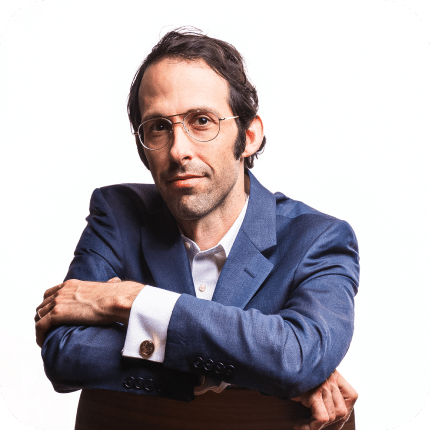
Dave Rabin, M.D., Ph.D. is a neuroscientist, board-certified psychiatrist, leading psychedelic researcher, and the health tech inventor behind Apollo Neuroscience who has spent over 20 years studying the impact of chronic stress on the human nervous system.
He is a senior research scientist at the Florida Institute for Human & Machine Cognition (IHMC), the bestselling author of A Simple Guide to Being Alive, and one of the few psychiatrists trained in MDMA- and Ketamine-assisted therapy. He frequently trains clinicians in advanced psychotherapy techniques, including psychedelic-assisted therapy. Specializing in trauma and addiction disorders, Dr. Rabin has spent his career developing safe protocols for deprescribing patients from unnecessary medication.
His clinical work focuses on treatment-resistant conditions and on the responsible reduction of psychiatric medication where it is no longer serving the patient. As Executive Director of The Board of Medicine, he works to establish evidence-based clinical guidelines and quality-control standards for alternative medicines and psychedelic-assisted therapies.
“As someone coming from the medicine side I was a little worried I was out of my league with the academic level of the reading materials. But I am finding Dr. Rabin to be exceptional in his ability to walk in both the world of the clinician and the world of the medicine.”
— Sue B., Safety & Harm Reduction Certification
GUEST FACULTY

Raghu Appasani, M.D.
Dr Raghu Appasani is a board-certified psychiatrist and diplomate of the American Board of Psychiatry and Neurology, fellowship-trained in addiction psychiatry and integrative-medicine focused.
He practices integrative psychiatry – which means he treats the whole person rather than a single symptom, combining the rigor of Western medicine with the depth of Eastern healing traditions. Most psychiatrists do one thing well. Dr. Appasani has spent his career deliberately collecting the full toolkit: evidence-based psychotherapy and pharmacology, metabolic and nutritional psychiatry, neuromodulation, addiction medicine, and psychedelic-assisted work. He believes that the point isn’t to do everything – it’s to be able to meet you wherever the real problem lives.
He practices integrative psychiatry – which means he treats the whole person rather than a single symptom, combining the rigor of Western medicine with the depth of Eastern healing traditions. Most psychiatrists do one thing well. Dr. Appasani has spent his career deliberately collecting the full toolkit: evidence-based psychotherapy and pharmacology, metabolic and nutritional psychiatry, neuromodulation, addiction medicine, and psychedelic-assisted work. He believes that the point isn’t to do everything – it’s to be able to meet you wherever the real problem lives.
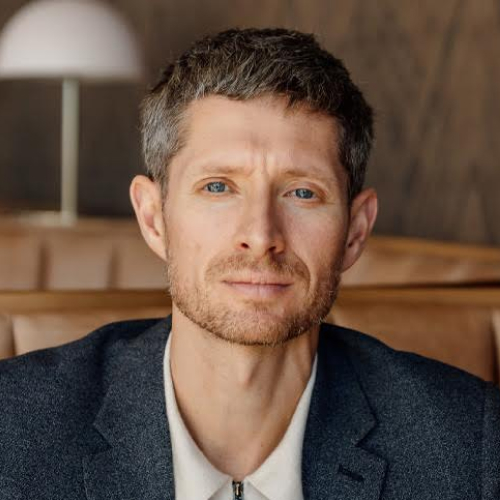
Robin Carhart-Harris, Ph.D.
Robin Carhart-Harris is the Ralph Metzner Distinguished Professor of Neurology and Psychiatry at the University of California, San Francisco (UCSF), and one of the world’s leading researchers in psychedelic science.
His groundbreaking work includes human brain-imaging studies with LSD, psilocybin, MDMA, and DMT, as well as clinical trials of psilocybin therapy for depression and other disorders. He founded the world’s first Centre for Psychedelic Research at Imperial College London in 2019 and the Carhart-Harris Lab at UCSF in 2023. He has presented his work at the World Economic Forum in Davos, was named among The Times’ Top 31 Medical Scientists, and was selected for TIME magazine’s TIME100 Next.
His groundbreaking work includes human brain-imaging studies with LSD, psilocybin, MDMA, and DMT, as well as clinical trials of psilocybin therapy for depression and other disorders. He founded the world’s first Centre for Psychedelic Research at Imperial College London in 2019 and the Carhart-Harris Lab at UCSF in 2023. He has presented his work at the World Economic Forum in Davos, was named among The Times’ Top 31 Medical Scientists, and was selected for TIME magazine’s TIME100 Next.
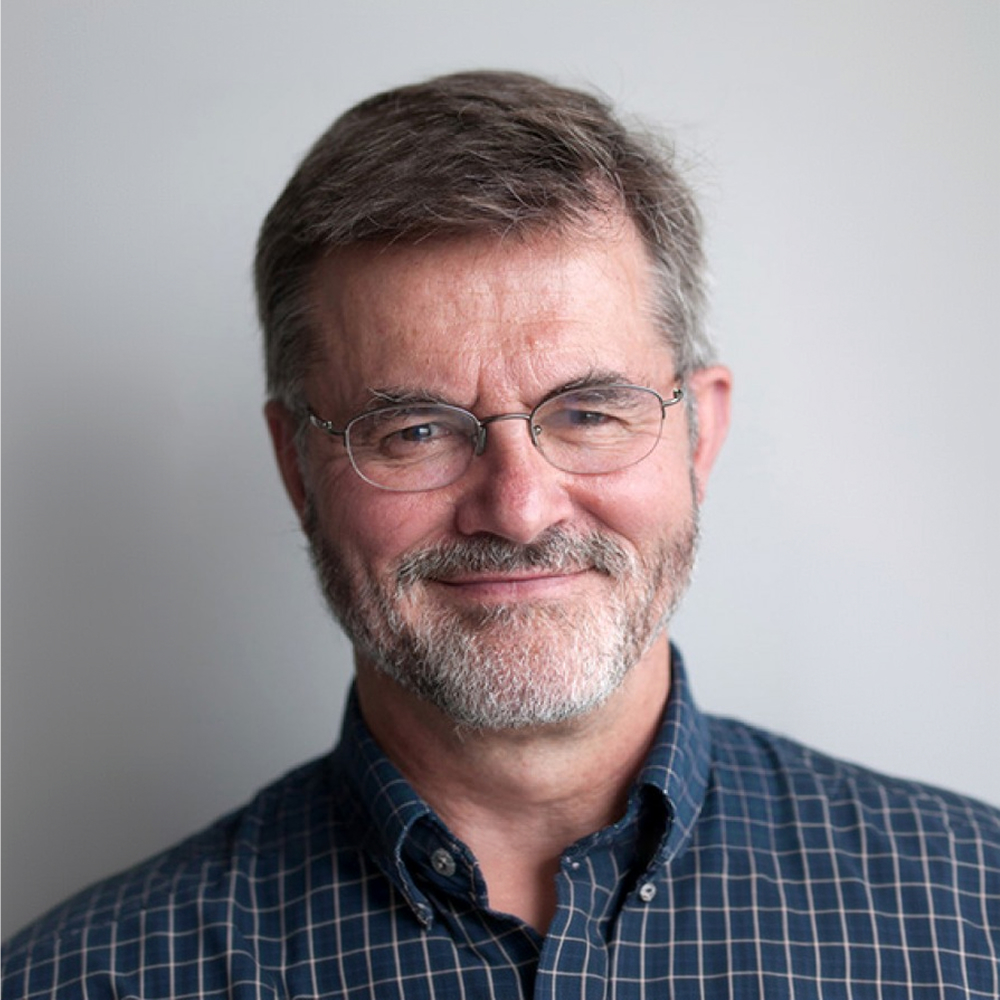
Robert Whitaker
Robert Whitaker is an award-winning investigative journalist and New York Times bestselling author who has spent more than two decades examining the science, history, and long-term outcomes of psychiatric treatment.
He is the author of five books, including Mad in America and Anatomy of an Epidemic, which won the Investigative Reporters and Editors Award for Best Investigative Journalism. Whitaker is a George Polk Award winner for Medical Writing, and a Boston Globe investigative series he co-authored on psychiatric research was a finalist for the Pulitzer Prize for Public Service. He is the founder and publisher of Mad in America, president of the Mad in America Foundation, and a Clinical Assistant Professor (Adjunct) in Psychiatry and Behavioral Science at Temple University.
He is the author of five books, including Mad in America and Anatomy of an Epidemic, which won the Investigative Reporters and Editors Award for Best Investigative Journalism. Whitaker is a George Polk Award winner for Medical Writing, and a Boston Globe investigative series he co-authored on psychiatric research was a finalist for the Pulitzer Prize for Public Service. He is the founder and publisher of Mad in America, president of the Mad in America Foundation, and a Clinical Assistant Professor (Adjunct) in Psychiatry and Behavioral Science at Temple University.
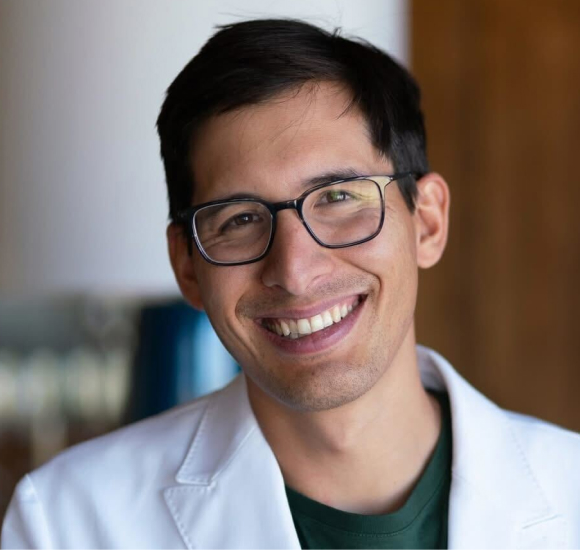
Josef Witt-Doerring, M.D.
Josef Witt-Doerring, M.D. is a board-certified psychiatrist, former FDA Medical Officer, and CEO and Medical Director of TaperClinic, the world’s largest medical practice devoted solely to psychiatric medication tapering and withdrawal.
He co-founded TaperClinic in 2020 as one of the only practices anywhere dedicated exclusively to deprescribing and the treatment of psychiatric drug injury. Under his leadership it has grown into the largest clinic of its kind in the world, and his team has guided more than 400 patients through medication reduction, discontinuation, and recovery from complex and protracted withdrawal syndromes.
Before TaperClinic, Dr. Witt-Doerring served as a Medical Officer in the FDA’s Division of Psychiatry, where he reviewed emerging adverse drug reactions and contributed to drug labeling updates. He also completed a fellowship in psychiatric drug development at Janssen Research & Development, finished his psychiatric residency at Baylor College of Medicine, and earned his medical degree from the University of Queensland.
Dr. Witt-Doerring is an Assistant Professor of Psychiatry at Drexel University College of Medicine. His academic interests span antidepressant safety, suicidality, benzodiazepine use and withdrawal, and clinical psychopharmacology.
He co-founded TaperClinic in 2020 as one of the only practices anywhere dedicated exclusively to deprescribing and the treatment of psychiatric drug injury. Under his leadership it has grown into the largest clinic of its kind in the world, and his team has guided more than 400 patients through medication reduction, discontinuation, and recovery from complex and protracted withdrawal syndromes.
Before TaperClinic, Dr. Witt-Doerring served as a Medical Officer in the FDA’s Division of Psychiatry, where he reviewed emerging adverse drug reactions and contributed to drug labeling updates. He also completed a fellowship in psychiatric drug development at Janssen Research & Development, finished his psychiatric residency at Baylor College of Medicine, and earned his medical degree from the University of Queensland.
Dr. Witt-Doerring is an Assistant Professor of Psychiatry at Drexel University College of Medicine. His academic interests span antidepressant safety, suicidality, benzodiazepine use and withdrawal, and clinical psychopharmacology.
Raghu Appasani, M.D.
Dr Raghu Appasani is a board-certified psychiatrist and diplomate of the American Board of Psychiatry and Neurology, fellowship-trained in addiction psychiatry and integrative-medicine focused.
He practices integrative psychiatry – which means he treats the whole person rather than a single symptom, combining the rigor of Western medicine with the depth of Eastern healing traditions. Most psychiatrists do one thing well. Dr. Appasani has spent his career deliberately collecting the full toolkit: evidence-based psychotherapy and pharmacology, metabolic and nutritional psychiatry, neuromodulation, addiction medicine, and psychedelic-assisted work. He believes that the point isn’t to do everything – it’s to be able to meet you wherever the real problem lives.
He practices integrative psychiatry – which means he treats the whole person rather than a single symptom, combining the rigor of Western medicine with the depth of Eastern healing traditions. Most psychiatrists do one thing well. Dr. Appasani has spent his career deliberately collecting the full toolkit: evidence-based psychotherapy and pharmacology, metabolic and nutritional psychiatry, neuromodulation, addiction medicine, and psychedelic-assisted work. He believes that the point isn’t to do everything – it’s to be able to meet you wherever the real problem lives.
Robin Carhart-Harris, Ph.D.
Robin Carhart-Harris is the Ralph Metzner Distinguished Professor of Neurology and Psychiatry at the University of California, San Francisco (UCSF), and one of the world’s leading researchers in psychedelic science.
His groundbreaking work includes human brain-imaging studies with LSD, psilocybin, MDMA, and DMT, as well as clinical trials of psilocybin therapy for depression and other disorders. He founded the world’s first Centre for Psychedelic Research at Imperial College London in 2019 and the Carhart-Harris Lab at UCSF in 2023. He has presented his work at the World Economic Forum in Davos, was named among The Times’ Top 31 Medical Scientists, and was selected for TIME magazine’s TIME100 Next.
His groundbreaking work includes human brain-imaging studies with LSD, psilocybin, MDMA, and DMT, as well as clinical trials of psilocybin therapy for depression and other disorders. He founded the world’s first Centre for Psychedelic Research at Imperial College London in 2019 and the Carhart-Harris Lab at UCSF in 2023. He has presented his work at the World Economic Forum in Davos, was named among The Times’ Top 31 Medical Scientists, and was selected for TIME magazine’s TIME100 Next.
Robert Whitaker
Robert Whitaker is an award-winning investigative journalist and New York Times bestselling author who has spent more than two decades examining the science, history, and long-term outcomes of psychiatric treatment.
He is the author of five books, including Mad in America and Anatomy of an Epidemic, which won the Investigative Reporters and Editors Award for Best Investigative Journalism. Whitaker is a George Polk Award winner for Medical Writing, and a Boston Globe investigative series he co-authored on psychiatric research was a finalist for the Pulitzer Prize for Public Service. He is the founder and publisher of Mad in America, president of the Mad in America Foundation, and a Clinical Assistant Professor (Adjunct) in Psychiatry and Behavioral Science at Temple University.
He is the author of five books, including Mad in America and Anatomy of an Epidemic, which won the Investigative Reporters and Editors Award for Best Investigative Journalism. Whitaker is a George Polk Award winner for Medical Writing, and a Boston Globe investigative series he co-authored on psychiatric research was a finalist for the Pulitzer Prize for Public Service. He is the founder and publisher of Mad in America, president of the Mad in America Foundation, and a Clinical Assistant Professor (Adjunct) in Psychiatry and Behavioral Science at Temple University.
Josef Witt-Doerring, M.D.
Josef Witt-Doerring, M.D. is a board-certified psychiatrist, former FDA Medical Officer, and CEO and Medical Director of TaperClinic, the world’s largest medical practice devoted solely to psychiatric medication tapering and withdrawal.
He co-founded TaperClinic in 2020 as one of the only practices anywhere dedicated exclusively to deprescribing and the treatment of psychiatric drug injury. Under his leadership it has grown into the largest clinic of its kind in the world, and his team has guided more than 400 patients through medication reduction, discontinuation, and recovery from complex and protracted withdrawal syndromes.
Before TaperClinic, Dr. Witt-Doerring served as a Medical Officer in the FDA’s Division of Psychiatry, where he reviewed emerging adverse drug reactions and contributed to drug labeling updates. He also completed a fellowship in psychiatric drug development at Janssen Research & Development, finished his psychiatric residency at Baylor College of Medicine, and earned his medical degree from the University of Queensland.
Dr. Witt-Doerring is an Assistant Professor of Psychiatry at Drexel University College of Medicine. His academic interests span antidepressant safety, suicidality, benzodiazepine use and withdrawal, and clinical psychopharmacology.
He co-founded TaperClinic in 2020 as one of the only practices anywhere dedicated exclusively to deprescribing and the treatment of psychiatric drug injury. Under his leadership it has grown into the largest clinic of its kind in the world, and his team has guided more than 400 patients through medication reduction, discontinuation, and recovery from complex and protracted withdrawal syndromes.
Before TaperClinic, Dr. Witt-Doerring served as a Medical Officer in the FDA’s Division of Psychiatry, where he reviewed emerging adverse drug reactions and contributed to drug labeling updates. He also completed a fellowship in psychiatric drug development at Janssen Research & Development, finished his psychiatric residency at Baylor College of Medicine, and earned his medical degree from the University of Queensland.
Dr. Witt-Doerring is an Assistant Professor of Psychiatry at Drexel University College of Medicine. His academic interests span antidepressant safety, suicidality, benzodiazepine use and withdrawal, and clinical psychopharmacology.
Why This Matters Now
Approval is coming, but most of the people who want psychedelic therapy are medicated.
In April 2026, the FDA issued National Priority Vouchers to psychedelic developers, compressing the review clock to a matter of weeks once an application is filed. Compass Pathways is completing a rolling submission for psilocybin in treatment-resistant depression, with a decision window that runs from late 2026 into 2027. An LSD-based treatment for generalized anxiety is in Phase 3 with Breakthrough Therapy designation behind it.
At the same time, the federal government has begun moving in the opposite direction on the prescription of psychiatric medication. In May 2026, HHS launched an action plan on overprescribing that explicitly supports tapering and discontinuation for patients not experiencing clinical benefit. CMS issued guidance clarifying Medicare payment for deprescribing care. A technical expert panel convened in July to develop formal federal clinical guidance on tapering protocols.
Put those two together, and you get the problem this training exists for.
When the approvals come, millions of people are going to want psychedelic therapy. A very large share of them are already on an antidepressant, which blunts psychedelic response and sometimes flattens it almost entirely.
So most of them can’t start where they think they’re starting. They have to come off first, and coming off is the part nobody has planned for.
The prescriber writes the refill. The psychedelic practitioner says come back when you’re off it. The client is left to manage the hardest part alone.
The number of people asking “how do I taper off my SSRIs” is about to rise sharply, and the formal standards are being written right now.
To our knowledge, this is the first professional training built specifically on the transition itself rather than on what happens on either side of it. The practitioners who understand this material before the guidance lands will be the ones the referrals go to.
Hear From the Practitioners
Already Enrolled

As a board-certified psychiatric PA, this training immediately resonated with me. Throughout my career, I’ve been interested in helping patients thoughtfully reduce unnecessary medications whenever it could be done safely and appropriately. I never imagined there would be a program dedicated to deprescribing in the context of psychedelic care, and it feels like a natural intersection of my clinical background, my passion for psychedelic medicine education, and the direction I hope to take my career.
[I’d like to learn about] difficult experiences with client tapering. Info regarding concomitant use of psilocybin (micro dose) and antidepressants (Sage Journals’ scoping review) greatly influenced how we conducted the taper. What I’m now hearing Dave say contradicts that and I need to know more! Also super interested in substituting Ketamine into that taper protocol and/or using it as a bridge.
I was drawn to this training to deepen my understanding of the legal and ethical frameworks surrounding expanded states of consciousness, while strengthening my skills in screening, preparation, safety, and integration. I am also completing specialized training focused on supporting individuals who are considering or undergoing clinician-supervised tapering of SSRIs, particularly in preparation for expanded- state work.
Many of my psilocybin-assisted coaching clients present with long-term SSRI/SNRI use and are interested in tapering prior to their work with me. I’d like to learn how to partner with their prescribers/clinicians to have successful experiences. I’d also like to be more informed for my own practice as it continues to grow.
I’m interested in helping people get off toxic psychotropics and then coaching them through various existential issues such as end of life and severe medical issues.
I am drawn toward the the idea substituting SSRI’s with Psychedelics. I have seen first hand how SSRI’s can at first be a good thing in a persons life, but then become a way of blunting feelings, treating them like they don’t need to be felt, rather than processing them and moving on with their lives. It feels to me that there is going to be a mass of people that will soon be tapering off of SSRI’s and I would love to be of help to that community.

I spent a lot of time and energy researching psychedelic training programs because, frankly, anyone can call themselves an expert in this field without validation. […] I appreciated that the program was run efficiently with a great staff,
had expert mentors who guided us through the learning, and brought in the leading experts in
the field.

— Sherry Platt
Psychedelic Coaching Institute
As a global consultant, coach and former event business owner, I’m a tough critic, but the team and content that PCI has developed is of the highest calibre.

— Chris Steely
Psychedelic Coaching Institute
Third Wave’s coaching program shifted me as a person and unlocked a new way of serving the clients I work with. […] It provided me with the tools to navigate this space with confidence and integrity.

— Nichelle Ryan
Psychedelic Coaching Institute
Why Practitioners Trust
the Psychedelic Coaching Institute
While the SSRI Deprescribing & Psychedelic Readiness is a new, upcoming program, the methodology behind it is built on the same rigorous standards and has been refined over the years through the Psychedelic Coaching Institute.
Here is what alumni from our other professional programs say about the depth of our training and how these frameworks have transformed their work with clients:
Here is what alumni from our other professional programs say about the depth of our training and how these frameworks have transformed their work with clients:
What the Psychedelic Coaching Institute has given me is a structure that helps all those threads come together. We’re not just learning techniques; we’re learning how to create true safety and how to attune to a client’s nervous system as much as their words.

- SUNALI S.
Microdosing Practitioner Certification
This program is one of those rare occasions where a participant with high expectations will find them exceeded. It is extremely informative for practicing coaches who wish to comfortably and confidently introduce psychedelic modalities into their practice.
- SHAWN W.
Practitioner Certification Program
The practitioner training through the Psychedelic Coaching Institute offers a tremendous amount of information and resources for learning this work in a thoughtful and responsible way. Each module builds on the last, providing practical and supportive tools for integration.
- JENNIFER C.
Practitioner Certification Program
This program was so much more than I expected; I feel very well equipped to bring psychedelics into my work with clients. Beyond the education, the journey itself was a magical and hugely transformative period for my life.”

- DAVE S.
Practitioner Certification Program
At this critical moment in the psychedelic renaissance, the Psychedelic Coaching Institute helps practitioners get the skills, connections, and ethical foundation needed to usher in a new era of responsible use. This work has the potential to create a new era of harmony for humanity.
- CHRIS V.
Practitioner Certification Program
As someone who already works in the psychedelic space, I was looking to expand my viewpoint and ensure my perspective never becomes myopic. I am now integrating these lessons into my company with a much deeper appreciation for collaborative healing and the community created by Institute.

- CAM
Practitioner Certification Program
What the Psychedelic Coaching Institute has given me is a structure that helps all those threads come together. We’re not just learning techniques; we’re learning how to create true safety and how to attune to a client’s nervous system as much as their words.
- SUNALI S.
Microdosing Practitioner Certification
This program is one of those rare occasions where a participant with high expectations will find them exceeded. It is extremely informative for practicing coaches who wish to comfortably and confidently introduce psychedelic modalities into their practice.
- SHAWN W.
Practitioner Certification Program
The practitioner training through the Psychedelic Coaching Institute offers a tremendous amount of information and resources for learning this work in a thoughtful and responsible way. Each module builds on the last, providing practical and supportive tools for integration.
- JENNIFER C.
Practitioner Certification Program
This program was so much more than I expected; I feel very well equipped to bring psychedelics into my work with clients. Beyond the education, the journey itself was a magical and hugely transformative period for my life.”
- DAVE S.
Practitioner Certification Program
At this critical moment in the psychedelic renaissance, the Psychedelic Coaching Institute helps practitioners get the skills, connections, and ethical foundation needed to usher in a new era of responsible use. This work has the potential to create a new era of harmony for humanity.
- CHRIS V.
Practitioner Certification Program
As someone who already works in the psychedelic space, I was looking to expand my viewpoint and ensure my perspective never becomes myopic. I am now integrating these lessons into my company with a much deeper appreciation for collaborative healing and the community created by Institute.
- CAM
Practitioner Certification Program
Program Pricing
Nothing else on the market covers medication tapering in a psychedelic context. That’s why we built it with Dr. Rabin.
WHAT’S INCLUDED:
7.5 CE credits
Six live 90-minute training sessions with Dr. Rabin
Six facilitated application labs, working live cases from your own practice
Three live 90-minute bonus sessions with additional guest experts
Pre-publication access to Dr. Rabin’s clinical deprescribing material
The assessment & risk-stratification toolkit
The interaction & sequencing reference
Your written scope-of-practice position, built and peer-reviewed in-program
Psychedelic Coaching Institute professional community access
Lifetime access to all session recordings
BONUS: Dr. Rabin’s Clinic Manual on Safety and Psychedelic-Assisted Therapy + 7 Recorded Workshops with Expert Speakers
VALUED AT $1,500
Total Price:
$3,000
Payment plans starting as low as $104/month
Program begins on October 7. Enrollment closes when it fills or on October 6, whichever comes first.
Retaining a single client you would otherwise have referred out covers the cost of this certification several times over.
PAYMENT PLANS:
- US-based practitioners: flexible financing available via Affirm at checkout.
- International practitioners: custom payment plans available on request – contact [email protected].
- Clinics and group practices: invoiced billing available for team enrollments. Contact us and we’ll set it up.

🔒 All transactions are secure and encrypted
The Cost of Inaction
Every practitioner reading this already has clients, or soon-to-be clients on SSRIs who are going to raise this in the next twelve months. That’s not a projection; it’s arithmetic on a caseload.
You will answer them either from a protocol or from instinct.
One client transitioned well becomes a decade of referrals. One handled badly is the kind of thing that ends your practice.
For Clinics & Group Practices
If you run a behavioral or mental health practice, your clients are already asking your staff this question.
Right now, the answer varies by clinician.
Enroll three or more of your team, and everyone works from the same assessment, the same red flags, the same referral logic, and the same language with prescribers. You get a protocol your practice actually shares, rather than seven different improvisations.
3+ seats: $2,500 each
invoiced billing available
What Happens When You Enroll

Complete your enrollment.
Payment confirms your seat immediately, with everything you need in your inbox within minutes.
Payment confirms your seat immediately, with everything you need in your inbox within minutes.
Instant access to prep materials.
The foundational pharmacology primer, so everyone arrives at Session 1 on the same page.
The foundational pharmacology primer, so everyone arrives at Session 1 on the same page.
Join orientation.
A short live welcome call on October 7, where you’ll get oriented to the cohort structure and the labs, and meet the practitioners you’ll be working alongside for the next three months.
Begin classes on October 7. The first guest expert session is on Oct. 14, followed by the session with Dr. Rabin on Oct. 21st at 10:00 AM PT. Dr. Rabin’s clinical deprescribing material is released to you ahead of this session.
Got Questions? Get Them Answered Live
Join Paul Austin and Program Director Chloe Gott for a free, live Q&A every two weeks. Bring your specific situation, your professional goals, and any questions about our programs — and get honest answers on the spot. No pitch, no pressure.
Want an answer sooner? Email us HERE and we’ll get right back to you.

Paul F. Austin
Founder
Got Questions? Get Personalized Answers
Connect directly with Joseph Anew, our Career Advisor and program graduate. In a private conversation, Joseph can address your specific situation, professional goals, and any questions you have about the SSRI Deprescribing & Psychedelic Readiness Certification and how it fits your practice.
Want an answer sooner? Email us at HERE and we’ll get right back to you.
Joseph Anew
Career Advisor
Program FAQs
Does this qualify me to taper clients off medication?
No, unless you already prescribe. The medication order belongs to the prescriber who wrote it. What changes is how competently you assess, monitor, and co-manage around it, and a significant part of the curriculum is defining exactly where your line sits, in writing, so you can defend it. See What This Qualifies You To Do above for the full breakdown by tier.
Are CE credits available?
Yes. This program offers 7.5 CE credits for psychologists, provided by the Spiritual Competency Academy, which is approved by the American Psychological Association to sponsor continuing education for psychologists. Credits are accepted for LCSW, LPCC, LEP and LMFT license renewal in California, and by many boards in other states. Continuing medical education credit is not offered, so physicians cannot apply these credits toward medical licensure. Practitioners licensed outside the United States, and non-licensed coaches, generally cannot use these credits either. It is always your responsibility to confirm with your own licensing board whether they accept continuing education from providers approved by the American Psychological Association.
What do I have to do to earn the CE credits?
Attend the live classes and complete a short assessment and evaluation form at the end of the program. Three things are set by accreditation rules and we cannot make exceptions. Partial credit is not permitted, so you earn all 7.5 credits or none. Because of that, the credit total has a built-in absence: the six live classes run nine hours in total, but the program is accredited at 7.5 credits, which means you can miss one full class and still receive the full award. And watching the recording does not count toward CE, because accreditation requires live attendance. The facilitated labs are a core part of the training but do not carry CE credit.
Information on Continuing Education Credits (CECs) for Health Professionals
CE credits for psychologists are provided by the Spiritual Competency Academy (SCA) which is sponsoring this program. The Spiritual Competency Academy is approved by the American Psychological Association to sponsor continuing education for psychologists. The Spiritual Competency Academy maintains responsibility for this program and its content.
The California Board of Behavioral Sciences accepts CE credits for LCSW, LPCC, LEP, and LMFT license renewal for programs offered by approved sponsors of CE by the American Psychological Association.
LCSW, LPCC, LEP, and LMFTs, and other mental health professionals from states other than California need to check with their state licensing boards as to whether or not they accept programs offered by approved sponsors of CE by the American Psychological Association.
SCA is approved by the California Board of Registered Nursing (BRN Provider CEP16887) for licensed nurses in California. RNs must retain their certificate of attendance for 4 years after the course concludes.
For questions about your certificate or the content, logistics, or other support issues regarding this course, please contact Paul Austin at [email protected]. For questions about whether APA CE is valid for you, contact your licensing board directly. For general questions about APA CE, contact SCA at [email protected].
The California Board of Behavioral Sciences accepts CE credits for LCSW, LPCC, LEP, and LMFT license renewal for programs offered by approved sponsors of CE by the American Psychological Association.
LCSW, LPCC, LEP, and LMFTs, and other mental health professionals from states other than California need to check with their state licensing boards as to whether or not they accept programs offered by approved sponsors of CE by the American Psychological Association.
SCA is approved by the California Board of Registered Nursing (BRN Provider CEP16887) for licensed nurses in California. RNs must retain their certificate of attendance for 4 years after the course concludes.
For questions about your certificate or the content, logistics, or other support issues regarding this course, please contact Paul Austin at [email protected]. For questions about whether APA CE is valid for you, contact your licensing board directly. For general questions about APA CE, contact SCA at [email protected].
I'm a coach, not a clinician. Is this for me?
Yes, provided you’re actively working with clients. Coaches make up a large share of the practitioners fielding this question, and the scope module is arguably more valuable to you than to a clinician, because your boundaries are less codified. What you cannot do is use this training to substitute for medical advice – which is the point of the module.
What if I can't make a live session?
Every session is recorded and available for the lifetime of the program. The labs are where most of the applied learning happens, and those run in weeks between live sessions.
How is this different from the Safety & Harm Reduction Certification?
The Safety and Harm Reduction Certification covers preventing and managing adverse experiences during psychedelic work. This program covers the pharmacological problem that comes before that – the client who is medicated, wants off, and wants to do this work afterward. They’re complementary; neither requires the other.
What's your refund policy?
Once the cohort begins, enrollment is final and we don’t offer refunds. Your seat is held against a capped cohort and Dr. Rabin’s pre-publication materials. If you’re not certain this is the right fit, email [email protected] before you enroll and we’ll give you an answer.
What happens if I can't complete the program?
We don’t offer refunds once the cohort begins, but we understand that life interrupts. Every session is recorded and yours for the lifetime of the program, and if something serious comes up, write to [email protected] and we’ll look at your case.
I have more questions – what to do?
Email [email protected] and we’ll get you an answer from our Programs Manager.
You're already the person they trust. This is how you become the one who can guide the transition
The cohort begins on Wednesday, October 7. Payment plans available